It Remembers You
Before sight.
Before explanation.
Before story.
There was scent.
Bad smells taught us to survive.
They sharpened our senses.
They made the body lean away.
Pleasant smells taught us to approach.
To bond.
To remember.
The brain still listens.
Orbitofrontal reward circuits.
Amygdala memory pathways.
Signals moving faster than thought.
But scent is not only threat.
Not only pleasure.
It is memory architecture.

Research suggests that attraction depends on dosage, that only the right amount of fragrance enhances desirability. When scent becomes too intense, it can signal unfamiliarity to the brain. And unfamiliarity can register as threat.
Unnatural odor can prompt danger.
At Perfume Who, this question matters.
Because if smell signals danger,and smell signals safety,
then what we create must do something else.
We are not interested in overpowering the room.
We are interested in opening a door.
A scent that feels like something you almost forgot.
A memory you cannot name.
A version of yourself that feels familiar rather than foreign.
Fragrance does not need to conquer.
It needs to resonate.
Smell is older than branding.
Older than mass production.
Older than the bottle.
And when it is right.
It remembers you...
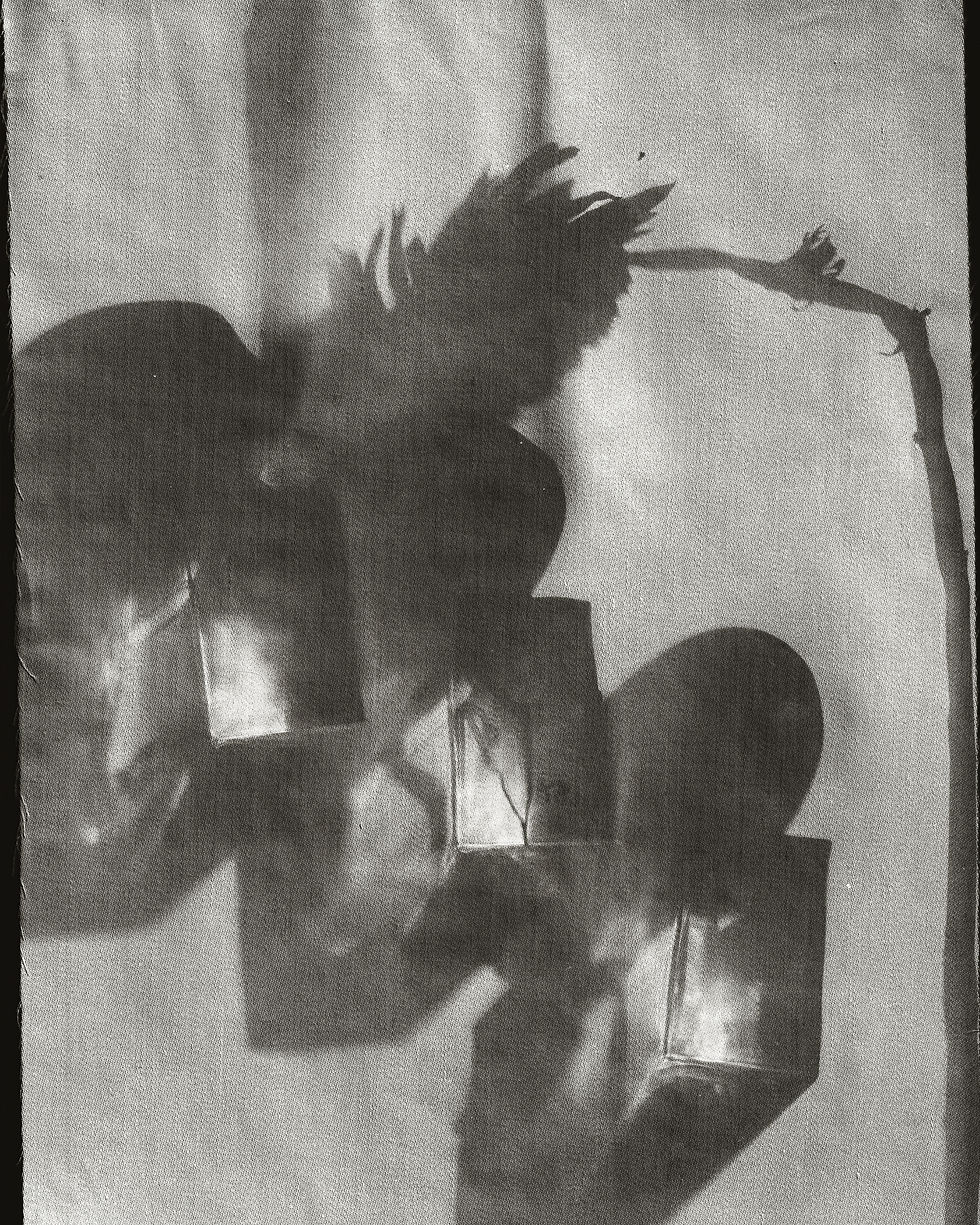
The model above draws from research in neuroscience and chemosensory psychology showing that unpleasant smells heighten vigilance and avoidance, while pleasant smells activate reward pathways and encourage approach. Studies also demonstrate that scent has a uniquely direct connection to emotional memory through amygdala–hippocampal pathways, helping explain why fragrance can feel deeply personal and immediate.


Comments